
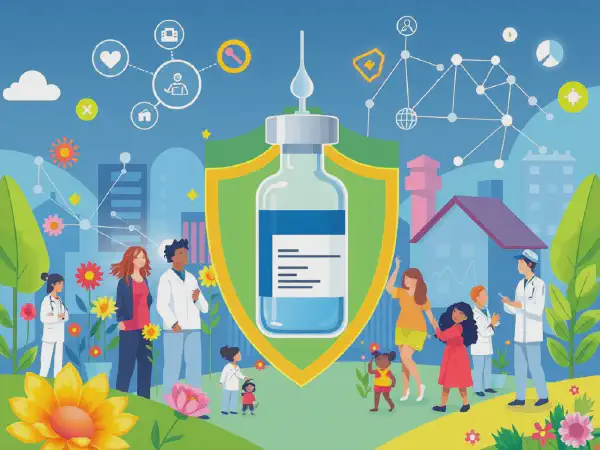
Childhe significantly reduced the prevalence of many infectious diseases, thus saving millions of lives globally. Vaccinations work by preparing the body's immune system to recognize and combat pathogens without causing the disease. This proactive approach not only protects individuals but also contributes to community health by creating herd immunity, which can eliminate outbreaks and protect those who are unable to be vaccinated due to medical reasons.
Parents are provided with a clear timeline for when each vaccine should be administered, typically involving a series of doses that confer lasting immunity. By keeping up with the childhood immunization schedule, families can ensure that their children are well-protected against illnesses such as measles, mumps, rubella, polio, and hepatitis B, among others. In addition to the direct health benefits, vaccinations strengthen public health infrastructures by increasing the resilience of populations against infectious disease outbreaks. The Role of Vaccinations in Public Health is also evident in the collaborative efforts among governments, healthcare providers, and organizations to promote vaccination as a fundamental human right. These collective endeavors aim to ensure equitable access to vaccines for all populations, regardless of socioeconomic status.
As we navigate new challenges such as emerging infectious diseases and anti-vaccine sentiments, the Role of Vaccinations in Public Health remains critical. Continued education about the science of vaccines, ongoing research and innovation, and effective public health messaging will be essential to combat misinformation and encourage vaccination uptake in communities worldwide. In addition to individual health benefits, following the childhood immunization schedule plays a vital role in promoting community health. It decreases the overall prevalence of diseases, thereby protecting more vulnerable populations. Immunization also leads to decreased healthcare costs associated with treating preventable diseases.
Vaccination History and Milestones Understanding the childhood immunization schedule is vital for parents and caregivers, as it provides critical information about the timing and types of vaccines their children need. Consulting with healthcare providers and maintaining accurate vaccination records are essential steps in ensuring compliance with the schedule.
Key milestones in the development of vaccines include the first successful smallpox vaccination by Edward Jenner in 1796 and the introduction of vaccines for diseases like rabies and tetanus in the late 19th century. The 20th century saw the development of various vaccines that would later change the course of public health, such as the polio vaccine created by Jonas Salk in 1955 and the measles vaccine introduced in the 1960s. These advancements have laid the groundwork for modern immunization practices. Importance of Childhood Vaccination
Historical pandemics such as the 1918 influenza pandemic revealed the urgent need for effective vaccination responses. Vaccination played a crucial role in managing outbreaks of viral infections and bacterial diseases, leading to the establishment of global vaccination campaigns, especially in response to diseases like polio and measles. The global response to the COVID-19 pandemic further demonstrated the vital importance of rapid vaccine development and deployment in response to an emerging infectious threat. Early vaccination is crucial as it provides children with immunity at a young age when they are most vulnerable to infectious diseases. Timely immunization shields children from severe illnesses and potential complications that can arise from these diseases, thus promoting a healthy start to life.
The impact of vaccines on disease eradication is significant, particularly exemplified by the elimination of smallpox and the near-eradication of polio and rinderpest. Vaccination campaigns have vastly reduced the incidence rates of diseases worldwide and have proven that collective immunization efforts can change the tide of public health. Vaccines can prevent serious diseases such as measles, whooping cough, and diphtheria, which can lead to hospitalizations, long-term health problems, and even death. By following the childhood immunization schedule, parents can effectively protect their children against these preventable diseases.
Types of Vaccinations Vaccination plays a pivotal role in public health by substantially reducing the incidence of vaccine-preventable diseases. High vaccination rates within a community contribute to herd immunity, protecting those who cannot be vaccinated, such as infants and individuals with compromised immune systems.
Vaccines can be classified into several types, including live attenuated and inactivated vaccine Despite the overwhelming evidence supporting vaccination, several myths and misconceptions persist regarding childhood vaccines. Common misconceptions include the belief that vaccines cause autism or that natural immunity is better than vaccine-acquired immunity, both of which have been debunked by scientific research. s. Live attenuated vaccines contain weakened forms of the virus or bacteria, which often provide strong immunity with fewer doses. In contrast, inactivated vaccines contain killed pathogens, leading to a need for multiple doses for adequate immunity.
Subunit, recombinant, and conjugate vaccines represent another category that includes only specific pieces of the pathogen, rather than the whole germ, which reduces the risk of side effects while still eliciting an immune response. Each of these types of vaccines serves a unique purpose in the landscape of immunization, catering to different diseases and populations. Vaccination rates are critical to achieving community immunity. Health departments and organizations continually monitor vaccination coverage rates to ensure that they remain high enough to protect the broader community. Lower vaccination rates can lead to outbreaks of diseases that were previously under control or eliminated.
mRNA vaccines have gained prominence in modern health, particularly during the COVID-19 pandemic. These vaccines use a piece of the pathogen’s genetic material to stimulate an immune response, enabling faster development and adaptability to emerging variants. The success of mRNA technology may influence future vaccine research, paving the way for rapid responses to novel pathogens. Vaccination Guidelines
Public Health Campaigns The CDC outlines a comprehensive vaccination schedule for children, which includes specific age recommendations for each vaccine. This schedule is based on extensive research regarding the optimal timing for administering vaccines to ensure maximum efficacy and safety.
Successful vaccination campaigns around the world highlight the effectiveness of organized public health initiatives, such as the Global Polio Eradication Initiative, which has reduced polio by over 99% since its inception. Countries like Australia and the UK have also achieved high immunization rates through robust public health programs and outreach. Globally, immunization schedules can vary significantly based on loc
Strategies for increasing vaccination uptake involve community engagement, education, and addressing barriers to access. Public health campaigns that focus on the benefits of vaccination and dispel common myths can improve vaccine confidence and encourage individuals to participate in immunization programs.
esilient global response to infectious diseases. The hepatitis B vaccine is crucial for infants and is given shortly after birth. Hepatitis B can lead to chronic liver disease and is a significant health concern worldwide; thus, early vaccination is vital.
Challenges in Immunization